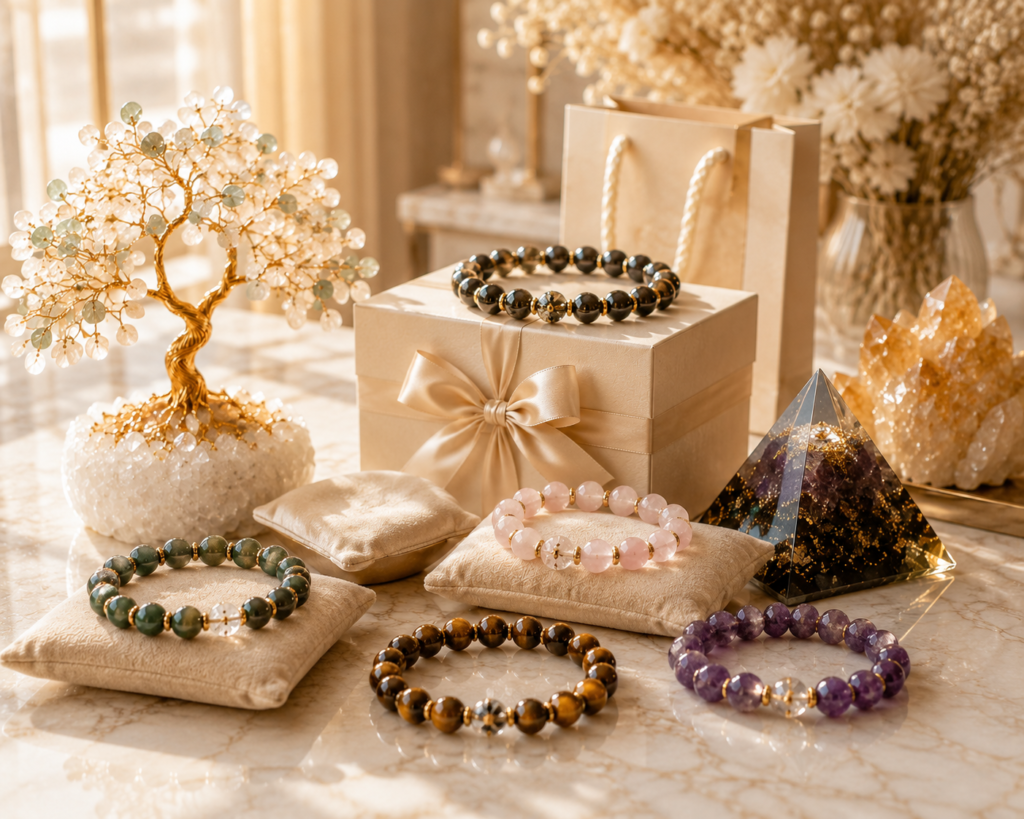
Introduction
Crystals have fascinated people for centuries because of their unique colours, patterns, and natural beauty. Today, buyers can choose between natural crystals and lab-created crystals. While both may appear similar at first glance, they differ in how they are formed, their appearance, and their characteristics.
Understanding these differences can help you make an informed purchase based on your preferences and intended use.
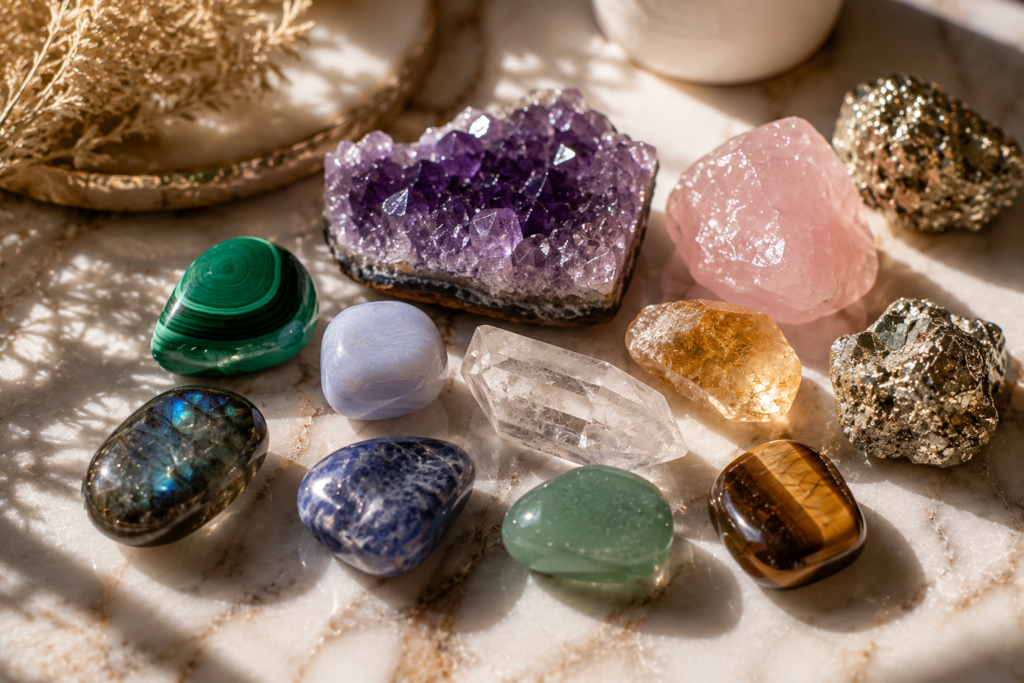
What Are Natural Crystals?
Natural crystals are formed over long periods through geological processes within the Earth. Heat, pressure, minerals, and time all contribute to the formation of these unique stones.
Because they develop naturally, every crystal has its own colour variations, inclusions, patterns, and texture, making each piece unique.
What Are Lab-Created Crystals?
Lab-created crystals are produced in controlled environments using scientific methods that replicate certain natural crystal-forming processes. They are manufactured more quickly than naturally occurring crystals and can have a very consistent appearance.
Lab-created crystals are often chosen when uniformity or specific manufacturing requirements are important.
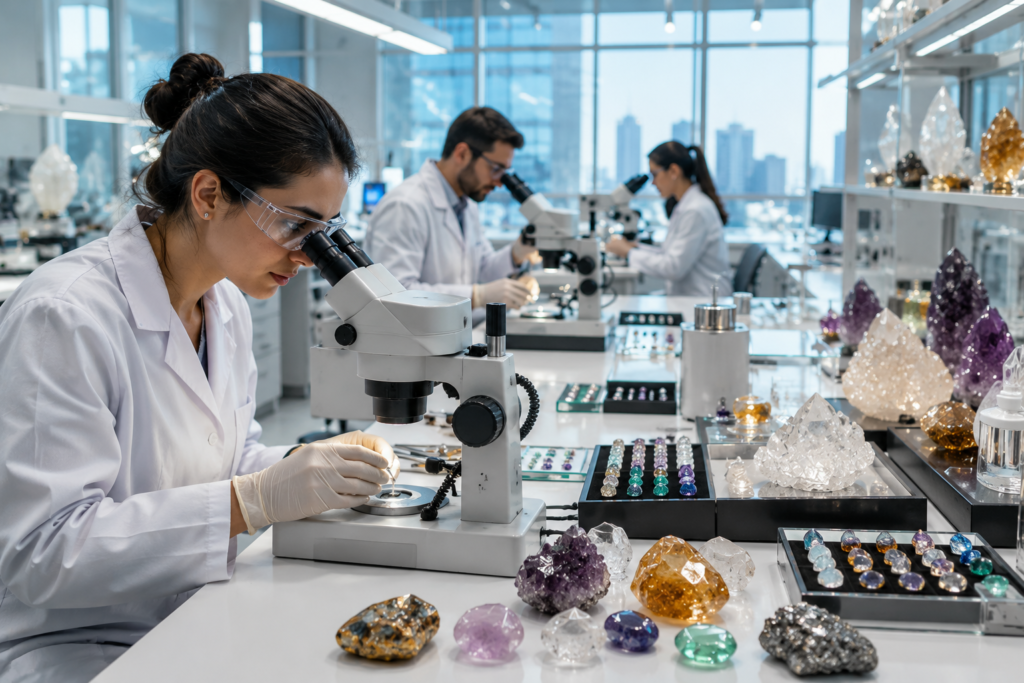
Key Differences
1. Formation
Natural crystals develop over long geological periods, while lab-created crystals are produced under controlled conditions.
2. Appearance
Natural crystals often display unique patterns and inclusions. Lab-created crystals generally have a more uniform appearance.
3. Availability
Some natural crystals are rarer and may be more difficult to source, whereas lab-created crystals can usually be produced more consistently.
4. Individual Character
No two natural crystals are exactly alike, which many collectors and jewellery enthusiasts appreciate.
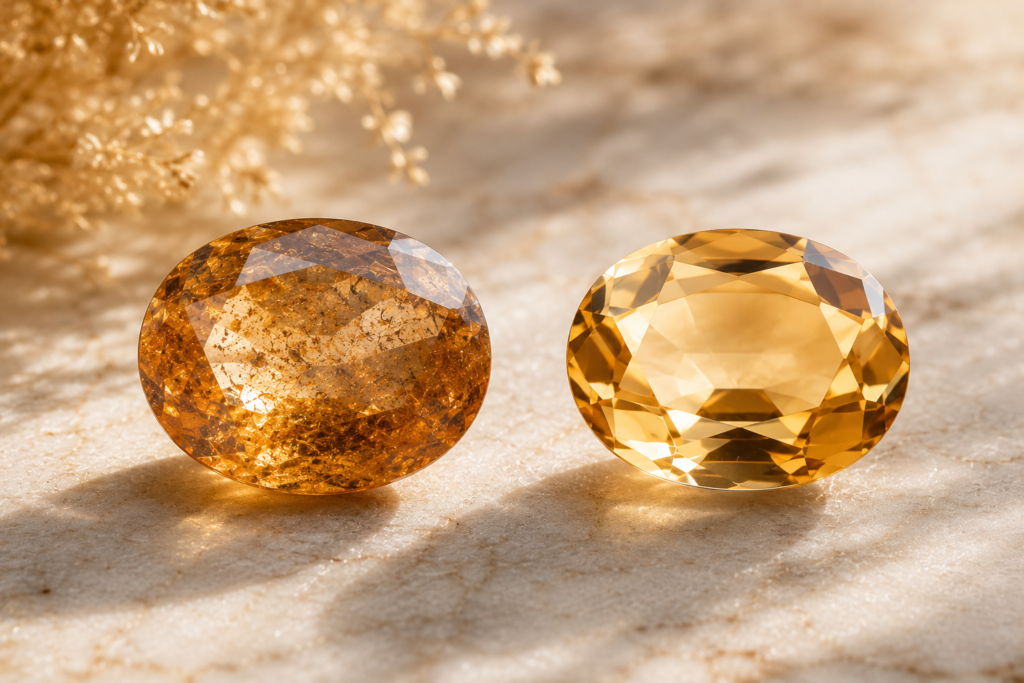
How Can You Identify Natural Crystals?
While professional testing is sometimes required, buyers often look for:
- Natural colour variations
- Unique inclusions
- Irregular internal patterns
- Reputable sellers
- Product descriptions that clearly state the material
If you’re unsure, always ask the seller for more information about the product.
Which One Should You Choose?
The right choice depends on your personal preferences.
Some people appreciate the individuality and natural origin of naturally formed crystals, while others prefer the consistency and appearance of lab-created options.
When purchasing, consider:
- Product quality
- Craftsmanship
- Transparency from the seller
- Your personal style
- Intended use
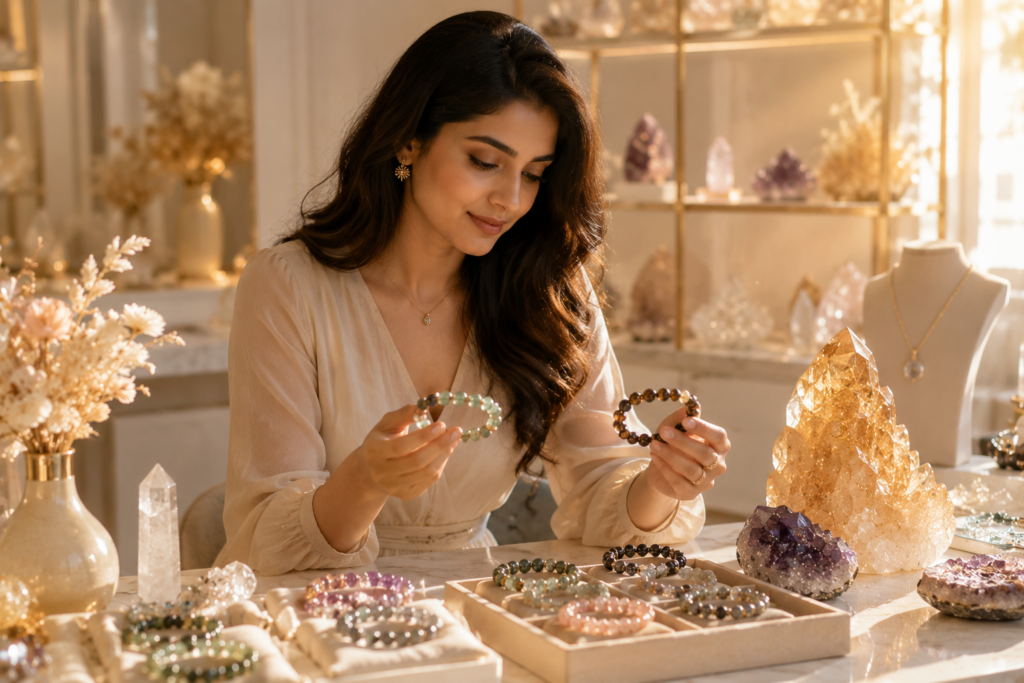
✔ Buy from trusted sellers.
✔ Read complete product descriptions.
✔ Review product images carefully.
✔ Check sizing before purchasing jewellery.
✔ Store crystal products carefully to help maintain their appearance.
Frequently Asked Questions
Are natural crystals identical?
No. Natural crystals commonly have unique colours, inclusions, and patterns.
Can lab-created crystals look similar?
Yes. Depending on the material and manufacturing process, lab-created crystals may closely resemble natural ones.
Which option is better?
Neither is universally “better.” The right choice depends on your preferences, budget, and intended use.
Conclusion
Natural and lab-created crystals each have their own characteristics. Understanding how they differ can help you choose products that best match your personal style and expectations. Whether you prefer the uniqueness of natural stones or the consistency of lab-created materials, purchasing from a trusted source and understanding the product details are important steps.
Explore the Divine Guidance collection to discover thoughtfully crafted crystal bracelets, crystal trees, decorative products, and gifts designed with quality and attention to detail.